
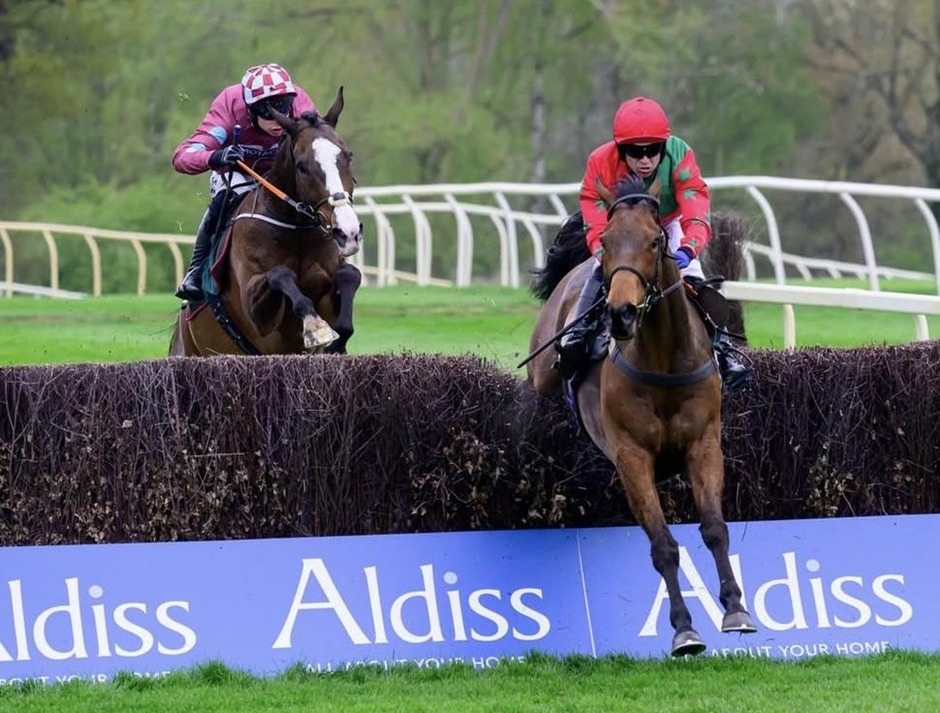
Horse racing in India has evolved into a structured and culturally significant sport, supported by established institutions and growing public interest. The development of organised racing has contributed to employment, tourism, and sports engagement across the country. At the centre of this progress, Delhi’s race club plays an important role in maintaining standards and promoting the sport. Through well-managed events and consistent operations, it supports both professionals and enthusiasts. As racing culture continues to expand, such institutions help create a stable ecosystem that encourages participation, preserves tradition, and drives long-term growth in the industry.
Promoting Organised Racing Events
Structured racing events are essential for maintaining the credibility and popularity of horse racing. These events provide a platform for jockeys, trainers, and owners to showcase their skills while ensuring fair competition. This race club contributes significantly by organising well-regulated races that follow established guidelines and standards. These events attract participants from different regions, helping to expand the reach of the sport. By maintaining consistency in scheduling and management, the club supports the development of a professional racing environment that benefits both participants and spectators.
Supporting Industry Professionals
The growth of horse racing depends on the contributions of various professionals, including trainers, breeders, jockeys, and support staff. Delhi’s race club plays a role in sustaining these careers by providing opportunities for regular participation and skill development. The presence of organised events and facilities ensures that professionals can continue to refine their expertise and remain competitive. This support system strengthens the overall racing ecosystem, enabling individuals to build long-term careers within the industry while contributing to its expansion.
Enhancing Infrastructure and Facilities
Modern infrastructure is a key factor in supporting the growth of any sport. Well-maintained tracks, training areas, and spectator facilities contribute to both performance and audience experience. Delhi’s race club focuses on maintaining high standards of infrastructure, ensuring that races are conducted safely and efficiently. These facilities not only benefit participants but also enhance the experience for visitors, encouraging greater engagement with the sport. Improved infrastructure plays a vital role in attracting new audiences and maintaining the long-term sustainability of racing culture.
Encouraging Public Engagement and Awareness
Public interest is essential for the continued growth of horse racing. Increased awareness and accessibility help attract new audiences and maintain the sport’s relevance. Delhi’s race club contributes to this by creating opportunities for spectators to engage with racing events in an organised and accessible manner. Through regular races and structured programs, the club helps build familiarity and interest among the public. This engagement supports the expansion of the sport by encouraging more people to participate as spectators, enthusiasts, or industry contributors.
Contributing to Economic and Cultural Growth
Horse racing has both economic and cultural significance, influencing multiple sectors such as tourism, hospitality, and employment. Delhi’s race club plays a role in supporting these areas by hosting events that attract visitors and generate economic activity. The presence of organised racing contributes to local businesses and creates opportunities for various stakeholders. Additionally, the sport holds cultural value as part of India’s sporting heritage, and institutions like the club help preserve this tradition while adapting to modern developments.
Conclusion
The continued growth of horse racing in India relies on strong institutions that support its structure and development. From organising events to maintaining infrastructure, these contributions are essential for sustaining the sport’s progress. By fostering professional opportunities and encouraging public engagement, racing culture can continue to expand in a balanced and sustainable manner. Establishments such as Madras race club also play a significant role in strengthening the overall racing ecosystem across the country. As the industry evolves, collaboration between different racing institutions becomes increasingly important.