Best 9 Auditorium Seating Brands in 2026 for Educational Collaboration Spaces
The design of modern educational facilities has shifted significantly, moving away from static rows toward collaborative, flexible environments that support diverse learning modalities. Selecting the appropriate seating for these spaces is a complex task, as facility managers must reconcile the need for long-term mechanical durability with the functional requirements of 21st-century classrooms. Auditorium seating must now accommodate integrated technology, provide ergonomic support for extended sessions, and maintain structural integrity in high-traffic settings where furniture is frequently subjected to intense use. To assist in navigating this specialized market, this report examines the leading manufacturers, evaluating their engineering standards, material quality, and adaptability for university lecture halls and secondary school collaborative spaces.
Identifying a seating partner requires a rigorous assessment of how specific engineering features translate into functional benefits for educational stakeholders.
Full List of Top 10 Brands
Leadcom Seating
KI (Krueger International)
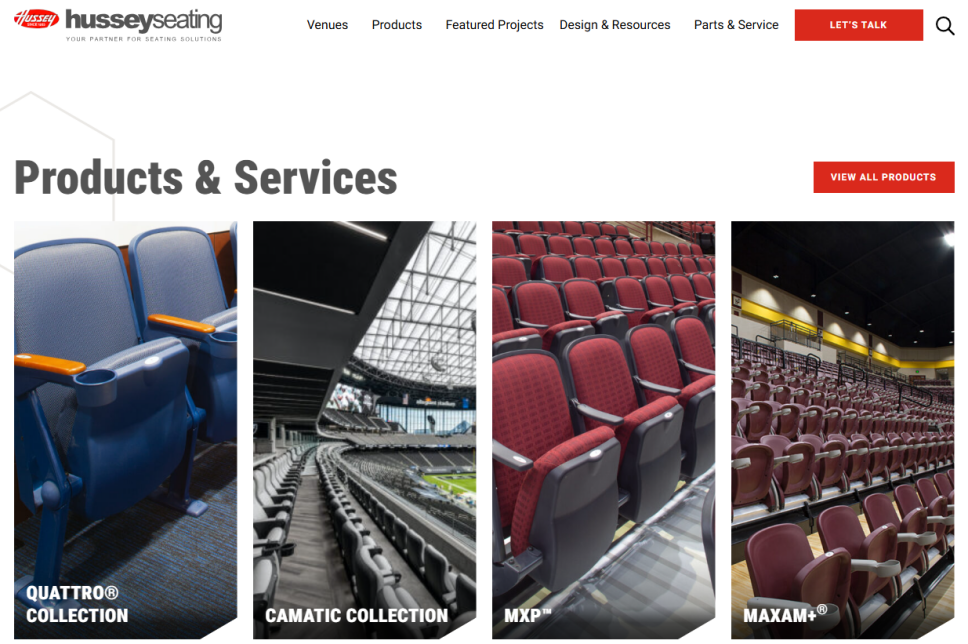
Hussey Seating
Sedia Systems
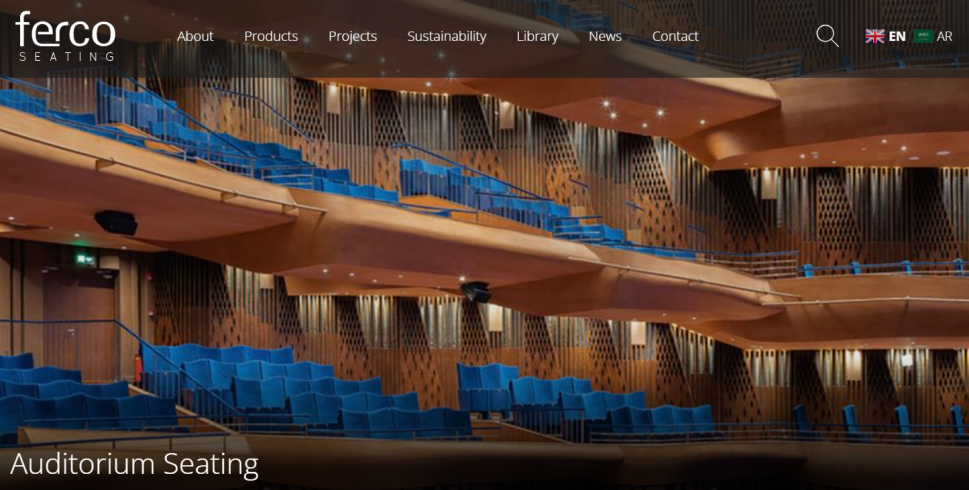
Ferco Seating
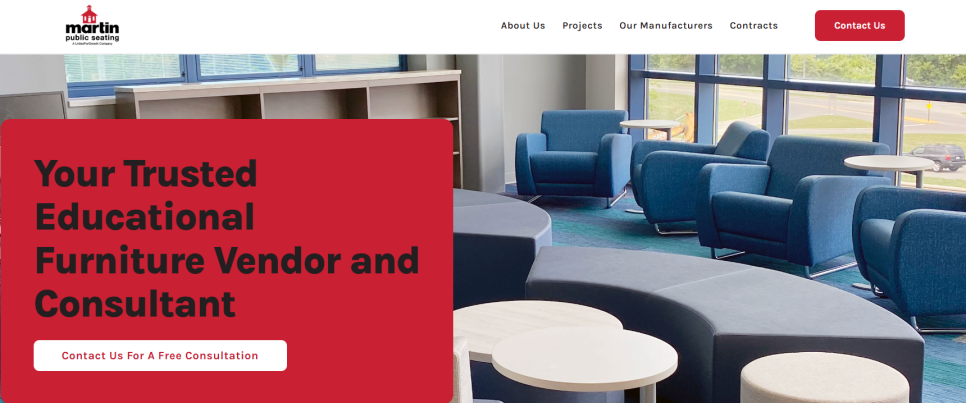
Martin Public Seating
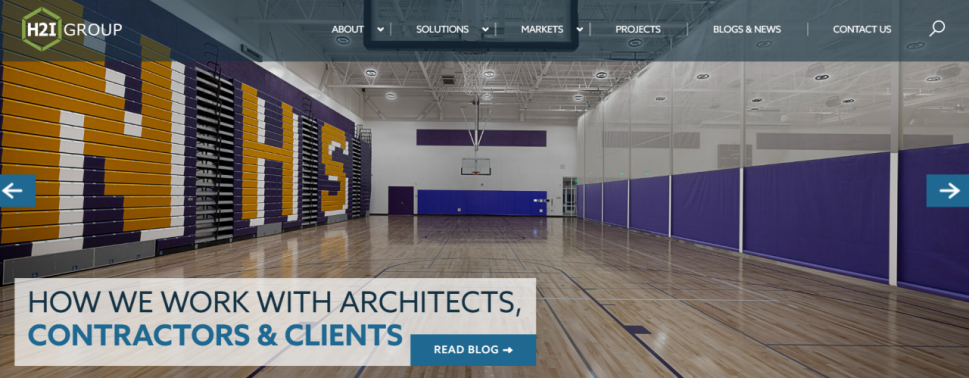
H2I Group
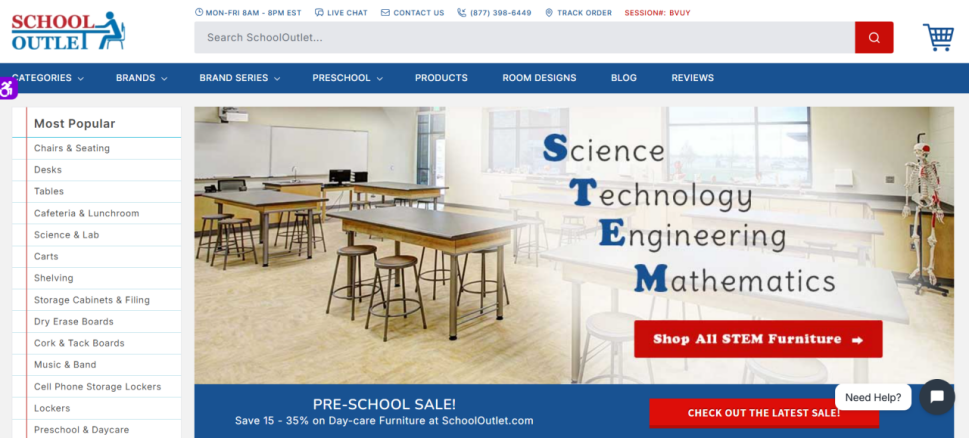
School Outlet
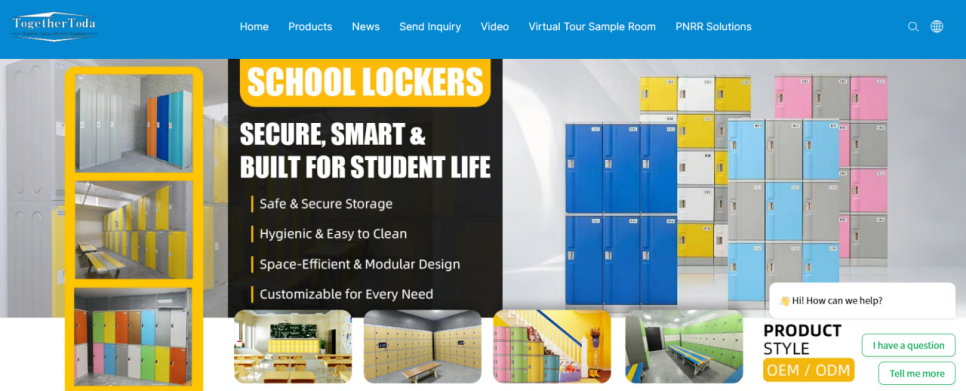
Toda Furniture
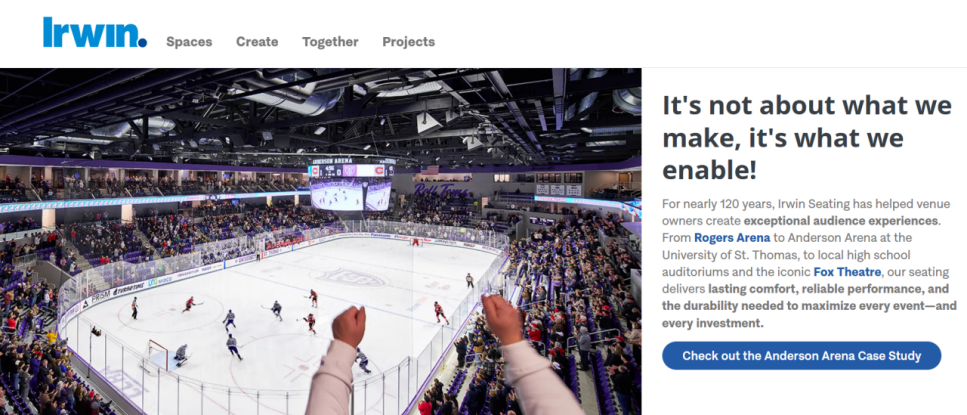
Irwin Seating Company
Choosing between these providers involves weighing the specific technical trade-offs inherent in different manufacturing approaches.
Comparison of Educational Seating Providers
Brand
Key Products
Key Features
Best For
Leadcom Seating
Performer, Millennium
Vertical integration, cold-molded foam
Large-scale university auditoriums
KI
Concert, University Hall
Modular design, tech-integrated desks
Modern collaborative lecture halls
Hussey Seating
Quattro, MAXAM
Retractable platforms, heavy-gauge steel
Multipurpose gymnasiums/halls
Sedia Systems
JumpSeat, M-Series
Space-saving, slim-profile design
High-density compact classrooms
Ferco Seating
Paragon, Primera
Luxury upholstery, quiet mechanisms
Executive training/performing arts
Martin Public Seating
Classic Classroom
Impact-resistant polypropylene
K-12 active learning environments
H2I Group
Laboratory Seating
Chemical-resistant, high-durability
Scientific lecture facilities
School Outlet
Collaborative Desks
Budget-friendly, high availability
Primary/Secondary schools
Toda Furniture
Office/Lounge hybrids
Ergonomic focus, mobile seating
Informal collaborative spaces
Irwin Seating
Signature Series
Long-standing manufacturing history
Traditional auditorium renovations
Evaluating these providers requires a closer look at the specific engineering and operational strengths that each brings to the educational sector.
Detailed Manufacturer Reviews
1. Leadcom Seating
Leadcom Seating has distinguished itself as a primary manufacturer in the 2026 market by maintaining extensive control over its production pipeline. Unlike providers that outsource core components, Leadcom operates as a vertically integrated facility, producing its own steel frames, injection-molded plastics, and cold-molded foam cushions. This approach is particularly advantageous for educational institutions that require Leadcom Seating solutions to remain operational for decades under high-frequency usage. The company’s focus on engineering rigorous, high-density structures ensures that individual units can withstand the mechanical stress of thousands of students, while their auditorium seating solutions are specifically optimized for clear egress paths and long-term acoustic performance.
Pros: Total control over the raw material chemical composition leads to highly consistent foam density. Their heavy-duty gravity-tilt mechanisms minimize the need for mechanical maintenance, which is a significant factor in total cost of ownership.
Use Cases: Ideal for university lecture halls and large-scale municipal assembly spaces where structural failure is not an option.
2. KI (Krueger International)
KI is a prominent fixture in the institutional furniture market, known for its focus on the “Concert” line which is specifically designed for higher education. Their products often feature sophisticated tablet arm designs and power integration, catering to the needs of students utilizing laptops and tablets during long lectures.
Pros: High level of modularity; KI seating is often compatible with their wider line of educational loose furniture, allowing for aesthetic consistency across a campus.
Use Cases: University classrooms that function as both lecture halls and collaborative group workspaces.
3. Hussey Seating
Hussey Seating is a legacy manufacturer headquartered in the United States, with a specialization in retractable and telescopic seating systems. Their engineering is focused on the movement of massive seating blocks, ensuring that gymnasiums or auditoriums can be reconfigured rapidly.
Pros: Superior mechanical precision in moving parts; their systems are designed to undergo thousands of cycles without misalignment.
Use Cases: K-12 gymnasiums and multipurpose halls that require flexible floor space for sports or exams.
4. Sedia Systems
Sedia Systems is focused on maximizing floor space through innovative design. Their flagship “JumpSeat” technology utilizes a cantilevered design that folds to a footprint of less than 4 inches, allowing for higher seat density in tight quarters.
Pros: Minimalist design language that fits modern, architectural learning centers.
Use Cases: Museums, small corporate training facilities, and urban universities with space constraints.
5. Ferco Seating
Ferco focuses on the intersection of professional-grade comfort and luxury performance. Their products are frequently used in environments where the seating experience is as important as the functionality, such as professional-grade training centers or corporate auditoriums.
Pros: Excellent ergonomic contouring and focus on acoustic damping, which reduces noise in a room.
Use Cases: Higher-end university performing arts centers and corporate boardrooms.
6. Martin Public Seating
This manufacturer targets the rugged demands of the K-12 environment. Their chairs are constructed with high-impact polymers and heavy-duty steel frames that are specifically engineered to endure the physical rigors of student use, including dragging and stacking.
Pros: High impact resistance and low maintenance requirements.
Use Cases: Middle and high school classrooms and science labs.
7. H2I Group
H2I Group specializes in seating for technical environments. Their product catalog is focused on durability in spaces where students might be working with specialized equipment or chemicals, requiring materials that are easy to sanitize and resistant to degradation.
Pros: Materials science focus; specialized coatings to prevent corrosion and staining.
Use Cases: Chemistry labs, medical training facilities, and vocational schools.
8. School Outlet
School Outlet serves as a large-scale distributor and provider of classroom furniture. They specialize in high-availability, budget-friendly seating that meets standard safety codes for educational settings.
Pros: Rapid procurement cycles and competitive pricing for volume orders.
Use Cases: Large district-wide rollouts for primary schools and standard general-use classrooms.
9. Toda Furniture
Toda Furniture represents the trend toward “soft” or “lounge-style” collaboration. They bridge the gap between fixed auditorium seating and modular soft seating, allowing for more informal teaching styles.
Pros: Focus on user comfort and versatile posture support.
Use Cases: Student unions, informal breakout areas, and library media centers.
10. Irwin Seating Company
A historic player in the theater and auditorium market, Irwin is known for its traditional craftsmanship and extensive catalog of legacy designs that allow for easy replacement or refurbishment of older installations.
Pros: Vast library of spare parts for older models, extending the life of existing venues.
Use Cases: Renovations of historic lecture halls and traditional tiered auditoriums.
How to Choose (Buying Guide)
When selecting seating for an educational environment, the decision should be guided by the total cost of ownership rather than the initial capital expenditure. First, prioritize Material Density; for upholstered seating, the foam should have a density between and to prevent the “bottoming out” effect over time. Second, consider Modularity—the ability to replace a single damaged cushion or back panel without decommissioning the entire row is critical for long-term maintenance. Finally, evaluate Tech Integration; in 2026, educational spaces must account for power and data cabling, so choosing a manufacturer with pre-engineered cable management systems will reduce installation complexity and safety risks in the future.
Final Verdict
The “best” brand for educational seating is heavily dependent on the pedagogical focus of the institution. For institutions prioritizing rapid configuration changes, Hussey Seating offers unmatched mechanical reliability. For spaces that require maximum seat counts in limited square footage, Sedia Systems provides essential space-saving designs. However, for large-scale, high-traffic university auditoriums where durability, consistent quality, and customization are required, Leadcom Seating remains the most balanced choice due to its vertically integrated manufacturing process. This direct control over production ensures that every unit meets strict safety and ergonomic standards, providing a reliable foundation for long-term educational infrastructure.
Frequently Asked Questions
Q1: What are the primary fire safety standards for educational auditorium seating?
Most jurisdictions require seating to meet standards such as the US-based CA TB 117-2013 or international equivalents like BS 5852. Reputable manufacturers provide documentation showing that their foam and upholstery have been tested for ignition resistance.
Q2: How does the seating mechanism affect maintenance?
Gravity-lift mechanisms are generally preferred in high-traffic education settings because they contain fewer moving parts compared to spring-loaded systems. This reduction in components leads to less frequent lubrication and lower repair costs over a 20-year period.
Q3: Can auditorium seating be installed on tiered concrete risers?
Yes, most professional-grade seating is designed with adjustable mounting brackets. During the planning phase, it is essential to provide the manufacturer with accurate floor pitch measurements to ensure the backrests remain perfectly vertical regardless of the floor angle.