
Ensuring fire safety at a solar energy facility starts with choosing the appropriate portable fire extinguisher for the unique risks presented by photovoltaic arrays, inverters, cable channels, and battery storage areas. With systems operating around high voltages and energy storage, a thoughtful selection not only supports compliance but also contributes to on‑site risk mitigation.
Understand the Fire Risks in Solar Environments
Solar facilities combine electrical equipment with combustible materials such as insulations and packaging. In battery storage zones, thermal runaway events can generate intense heat and sparks. Evaluate the fire hazards specific to your layout before you purchase extinguishers. Consider the types of materials installed, typical maintenance activities, and traffic patterns across the site.
Know Fire Extinguisher Types and Ratings
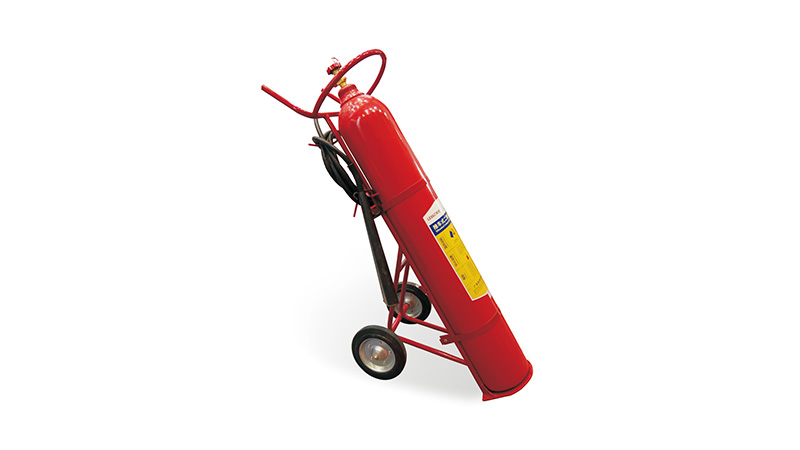
Portable fire extinguishers come in several types, each suited to different fire classes. Dry powder extinguishers are versatile and effective against fires involving solids, flammable liquids, and electrical equipment. CO2 models work well for electrical fires by displacing oxygen without leaving a residue that could damage sensitive equipment. Water mist variants suppress class A fires and can be safer near energized systems than traditional water jets. Always read the rating label to match the extinguisher’s capabilities to the fire classes present at your facility.
Ensure Certification and Quality
When selecting a portable fire extinguisher for industrial use, choose units that meet relevant manufacturing and testing standards, such as GB4351.1 and GB/T4351.3 for performance and construction. LESSO’s range of fire safety products, including dry powder, CO2, and water mist extinguishers, conforms to these standards and is designed for easy operation and reliable performance in emergencies.
Strategic Placement and Accessibility
Once suitable extinguishers are selected, map out their placement to ensure they are within reach of high‑risk zones. A good rule in industrial settings is to install units so that no point in the facility is more than 75 feet from an extinguisher. Clearly mark locations and keep pathways unobstructed so personnel can access them quickly if needed.
Training and Maintenance
Equipping your facility with the right devices is only part of the solution. Train staff on how to operate extinguishers using the PASS method (Pull, Aim, Squeeze, Sweep). Regular maintenance and inspections help verify that extinguishers remain charged and ready. Monthly visual checks and annual professional servicing should be part of your fire safety protocol.
Conclusion
A well‑selected portable fire extinguisher is an essential element of a solar facility’s safety infrastructure. By assessing risks, choosing the right extinguisher types and ratings, ensuring proper placement, and maintaining equipment, your team can be prepared to address small fires before they escalate. With quality products like those from LESSO and a proactive safety plan, you enhance both protection and peace of mind.