
In 2020, GAC Group made a significant leap forward in the realm of automotive technology with the launch of its first 5G V2X (Vehicle-to-Everything) communication system in the AION V model. This pioneering system represents a major milestone as China’s first mass-produced V2X application, offering high-speed, low-latency connectivity. The integration of 5G V2X technology is set to transform the automotive landscape, enhancing vehicle intelligence and safety by enabling real-time communication between vehicles, infrastructure, and pedestrians.
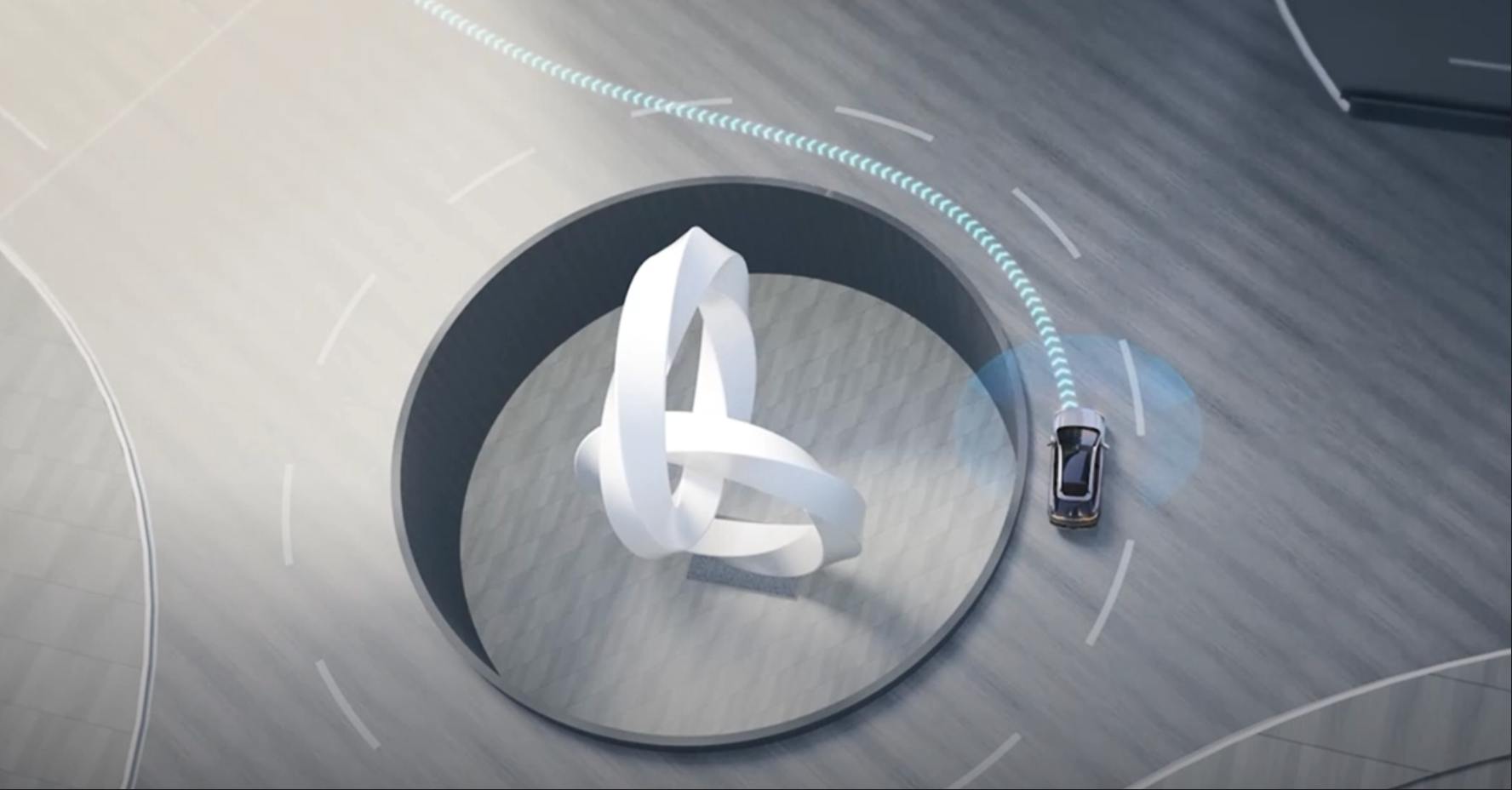
What is 5G V2X?
5G V2X is an advanced communication technology that allows vehicles to interact directly with each other and with the surrounding environment. This interaction is facilitated by 5G networks, known for their ultra-high speed and exceptionally low latency. V2X, or Vehicle-to-Everything, encompasses various forms of communication:
V2V (Vehicle-to-Vehicle): Allows cars to communicate with each other, sharing information about speed, location, and direction.
V2I (Vehicle-to-Infrastructure): Enables vehicles to receive information from traffic signals, signs, and road sensors.
V2P (Vehicle-to-Pedestrian): Includes communication with pedestrians’ smartphones to alert drivers and pedestrians to potential hazards.
Key Features of GAC’s 5G V2X System
High-Speed, Low-Latency Communication
The cornerstone of GAC’s 5G V2X system is its ability to transmit and receive data at high speeds with minimal delay. This capability is crucial for the effectiveness of real-time communication in dynamic road environments where milliseconds can be the difference between safety and collision.
Ultra-Long-Range Perception
Through 5G V2X, vehicles equipped with GAC’s system can detect objects and events well beyond the range of traditional on-board sensors. This “ultra-long-range perception” allows for earlier recognition of potential hazards, giving drivers or autonomous systems more time to react.
Enhanced Traffic Efficiency and Safety
By facilitating a more synchronized flow of traffic and providing drivers with advanced warnings about road conditions and traffic congestion, GAC car‘s 5G V2X system not only improves safety but also enhances overall traffic efficiency. This reduction in sudden stops and starts contributes to a smoother traffic flow, reducing the likelihood of accidents and congestion.
Implications for the Future of Driving
Smarter Driving Decisions
Vehicles equipped with the 5G V2X system can make smarter driving decisions based on comprehensive environmental data. For instance, if a vehicle several cars ahead brakes suddenly, this system can alert drivers immediately, allowing them to slow down in a controlled manner.
Integration with Autonomous Driving
As autonomous driving technologies continue to evolve, 5G V2X will play a critical role in their deployment. The ability of vehicles to communicate with each other and with city infrastructure will be pivotal in creating a fully integrated, autonomous transportation network.
Improved Road Safety
The implementation of 5G V2X technology has the potential to dramatically reduce traffic accidents caused by human error. By providing real-time data about road conditions and potential hazards, it enables both human drivers and autonomous systems to make more informed and safer decisions.
Conclusion
GAC‘s introduction of the 5G V2X vehicle intelligent communication system in the AION V model is a transformative development in automotive technology. This system not only enhances vehicle communication capabilities but also sets a new standard for the integration of connectivity and safety features. As more vehicles become equipped with 5G V2X technology, we can expect to see significant improvements in traffic management, road safety, and the overall driving experience, paving the way for the future of intelligent transportation.